

No products in the cart.
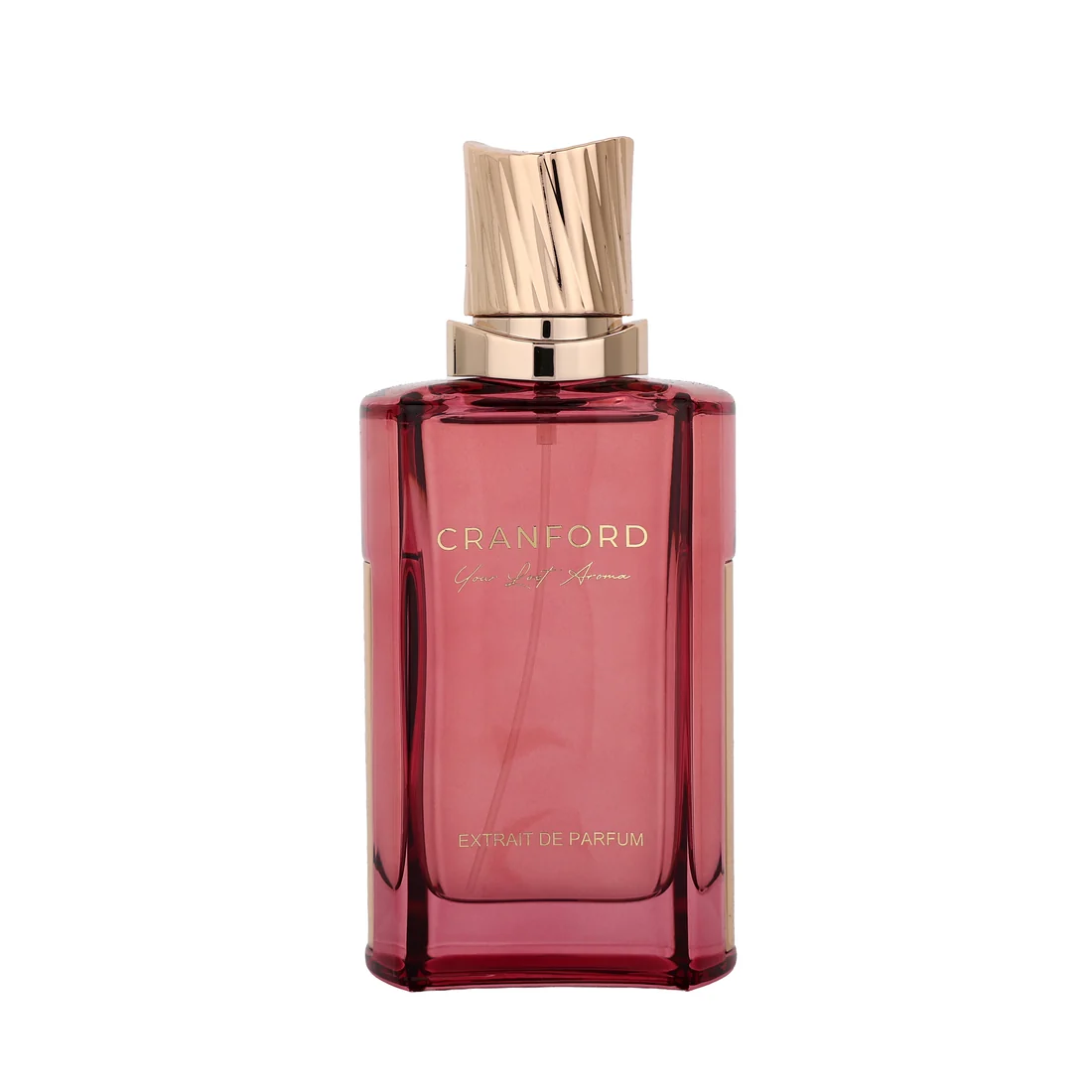
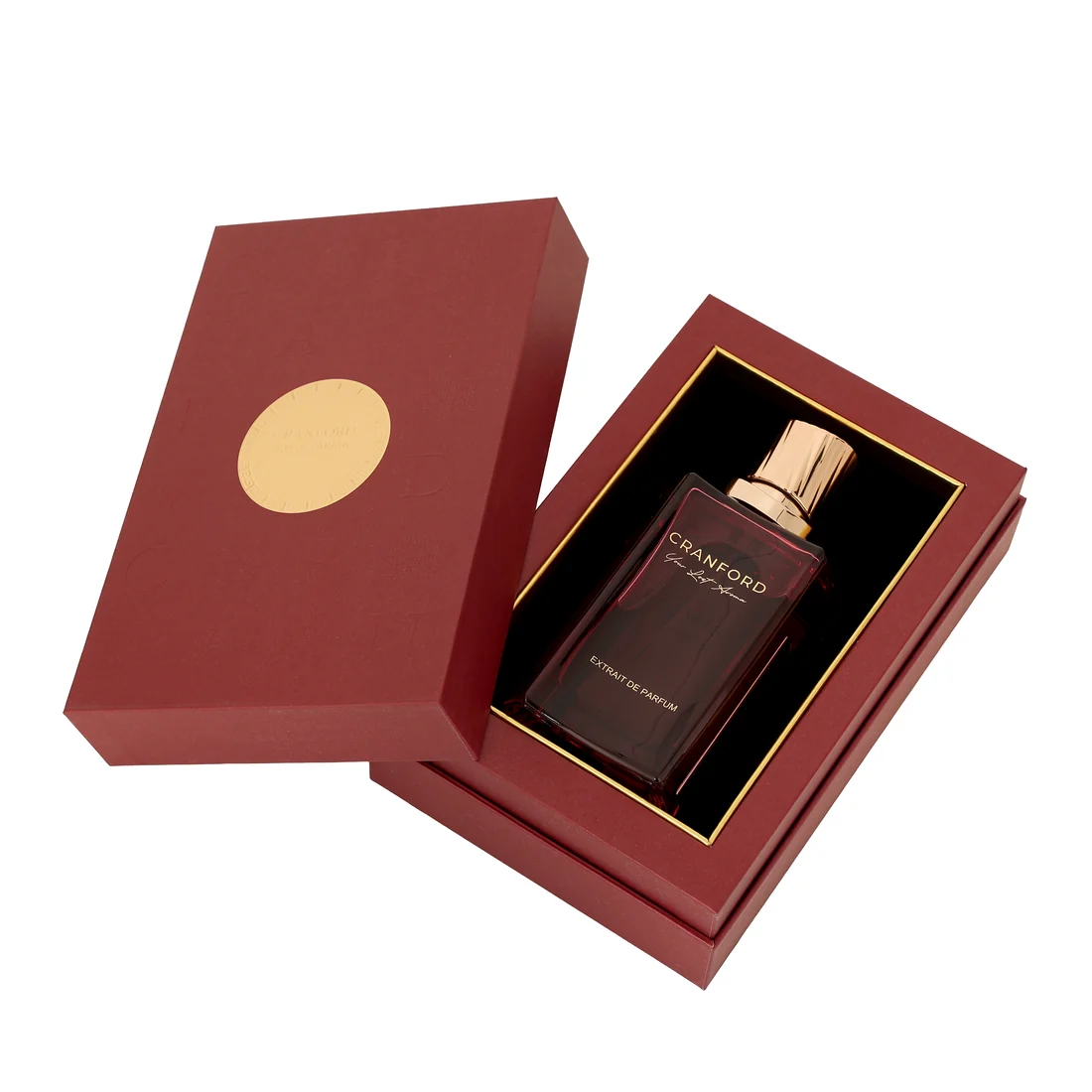
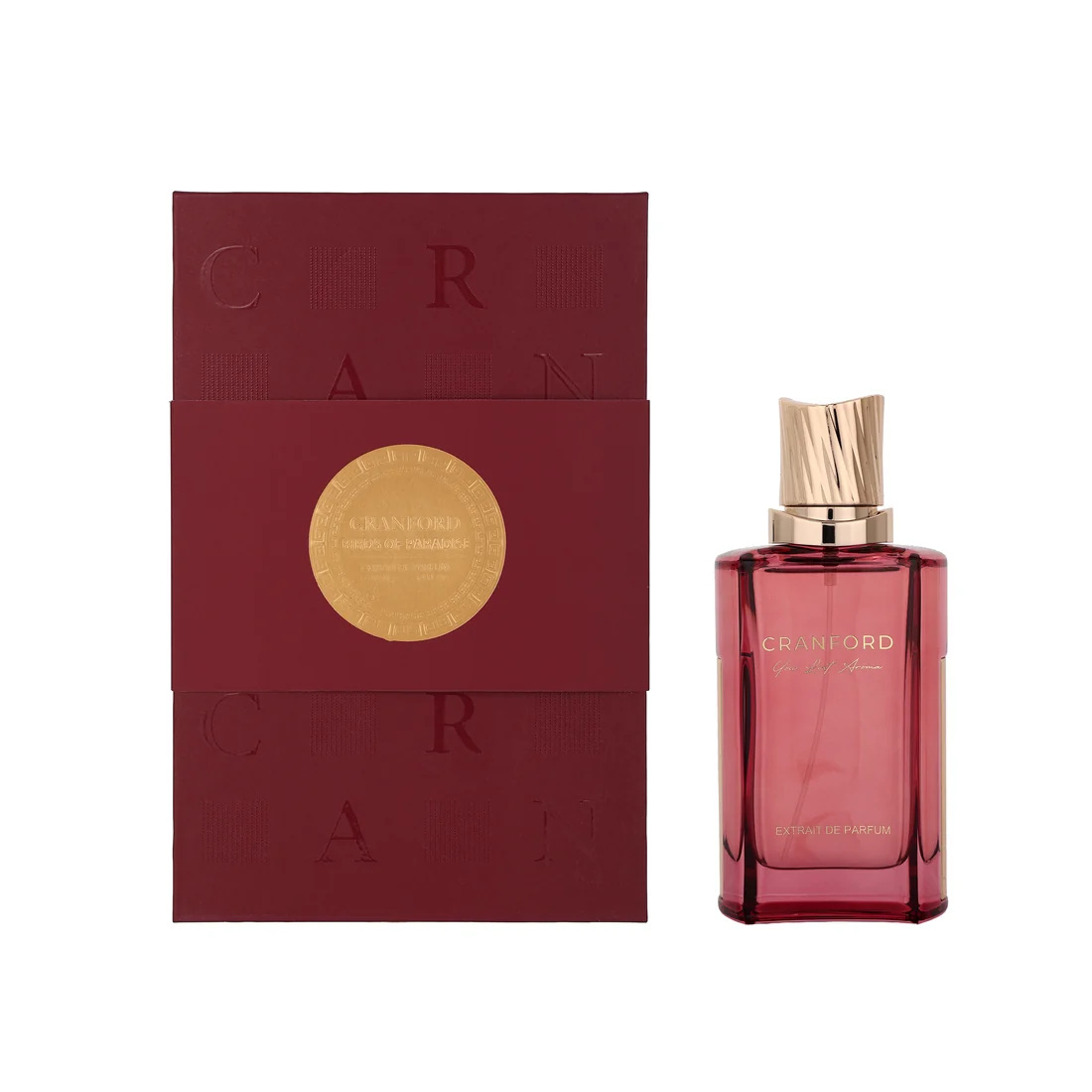
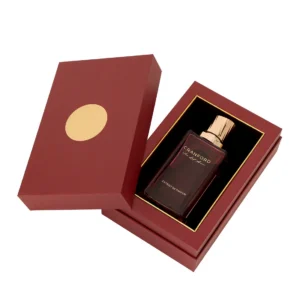
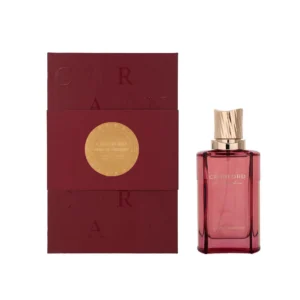
Cranford Birds Of Paradise Eau de Parfum, Unisex, 100 ml
€53.89
Inspired by Amouage’s Guidance 46.
Samples can be purchased from
HERE
Add the quantity to the basket and write us the names in the notes
Out of stock
Birds Of Paradise by Cranford – a unisex oriental floral fragrance
Birds Of Paradise by Cranford seems to be built around a simple idea, yet one that is difficult to capture in a fragrance: the beauty of a place that seems to exist outside of time. A luminous, exotic and tranquil space, where the flowers possess an almost unreal intensity, and the air retains an equal measure of sweetness, warmth and mystery.
It is a unisex fragrance that does not seek to impress through excess. It reveals its character gradually, from the delicate freshness of rose water and pear to the depth of sandalwood, grey amber and labdanum. Between these two moments unfolds a rich, floral, spicy and subtly gourmand composition.
Birds Of Paradise by Cranford – the beginning of an imaginary garden
The opening moments of the fragrance have an unexpectedly luminous quality. Rose water appears delicate and transparent, like a scented mist settling over fresh petals. It is not a heavy or solemn rose, but an airy, almost refreshing one.
Alongside it, the pear brings a succulent and delicate sweetness. The fruity brightness is, however, immediately replaced by hazelnut, which introduces a creamier, warmer and slightly toasted texture.
This is where the unusual character of Cranford’s Birds Of Paradise fragrance begins to take shape.
Frankincense leaves a resinous and mysterious veil in the background, whilst pink pepper adds that spicy kick that prevents the opening from becoming too sweet. The contrast is superb: rose and pear, hazelnut and a delicate wisp of incense, all interwoven with the subtle energy of pink pepper.
Top notes: rose water, pear, hazelnut, incense and pink pepper
The opening does not offer a single impression. It changes from one moment to the next. At times it seems floral and luminous, at others fruity and velvety, and a few moments later the incense lends it an almost contemplative atmosphere.
It is like stepping into an unknown garden at the end of a warm day: the fruit is ripe, the flowers still retain the sun’s warmth, and somewhere in the distance a faint wisp of fragrant smoke can be detected.
The heart of Cranford’s Birds of Paradise – the flowers deepen
After the brightness of the opening, the fragrance moves into a much richer register. The rose returns, but now it no longer has the transparency of the rose water from the opening. It becomes fuller, more mature and more sensual.
Alongside it appears osmanthus, with its distinct floral-fruity character, followed by Sambac jasmine – white, intense and velvety. Together they form a sophisticated floral heart, but Cranford introduces a decisive detail here: saffron.
Saffron transforms the entire atmosphere. The flowers take on warmth, depth and a spicy, almost golden hue. At this point, Cranford’s Birds Of Paradise begins to reveal its true complexity.
Rose, osmanthus, Sambac jasmine and saffron
There is something almost cinematic about this stage. The image of the luminous garden from the beginning seems to transform as the sun sets. The colours become more intense, the air warmer, and the flowers lose their innocence, taking on a much deeper elegance.
The rose and Sambac jasmine offer floral opulence, the osmanthus introduces a more unusual facet, and the saffron envelops them in a spicy warmth.
No element seems isolated. Each note continues the story of the one before it.
The base of Birds Of Paradise – warm wood, vanilla and resins
On the skin, the final hours are perhaps those that best explain the name Birds Of Paradise.
After the fruits, flowers and spices, the composition settles into a dense, velvety base. Sandalwood offers a creamy softness, whilst Akigalawood brings a modern, spicy woody structure.
Vanilla settles amongst these accords without turning the fragrance into a purely gourmand composition. Its role is rather to round off the edges and create a sensation of subtle warmth that lingers close to the skin.
Grey amber, labdanum, cypriol and Georgywood
Beneath this velvety softness, however, lies a darker side.
Grey amber brings depth and a mineral sensuality, whilst labdanum accentuates the resinous, amber-like character. Cypriol introduces a dry, earthy and slightly smoky note, and Georgywood completes the woody structure of the base.
This is the moment when the sweetness of the pear and the delicacy of the rose water from the opening minutes seem like nothing more than a distant memory.
What remains on the skin is something deeper: warm wood, vanilla, resins and the echo of flowers.
A unisex fragrance built on contrasts
The unisex character of Cranford’s Birds Of Paradise stems precisely from the way the composition refuses to head in any one direction.
It possesses the delicacy of rose and Sambac jasmine, yet also the woody texture of Akigalawood and Georgywood. It possesses the sweetness of pear and vanilla, yet frankincense, saffron and cypriol lend it sufficient depth to maintain a perpetual air of mystery.
It is not purely floral.
It is not purely woody.
It is not purely sweet.
It lies somewhere between all these worlds.
How Cranford’s Birds Of Paradise evolves on the skin
The first impression is bright: rose water, pear and pink pepper.
Then the fragrance becomes richer and more sophisticated, with the emergence of rose, osmanthus, Sambac jasmine and saffron.
Finally, everything settles into sandalwood, Akigalawood, vanilla, grey amber, labdanum, cypriol and Georgywood, forming a warm, woody and ambery trail.
This evolution means the fragrance cannot be fully appreciated in the first few minutes. Birds Of Paradise needs time. It is precisely this slow transformation that gives it the feel of an elaborate fragrance, with multiple layers and contrasts that emerge in succession.
Birds Of Paradise by Cranford – a story of a paradise that emerges after sunset
There are fragrances that describe a flower, a fruit or a particular type of wood. Birds Of Paradise by Cranford seems to describe an atmosphere rather than anything else.
At first, there is the light falling upon roses and ripe pears. Then comes the warmth of saffron and the intense scent of white flowers. Finally, the sun disappears, and the air is filled with incense, sandalwood, vanilla and warm resins.
Perhaps that is precisely why the name is so fitting.
It does not evoke a perfect, predictable paradise, but a hidden, lush and somewhat mysterious one — a place where beauty is gradually revealed.
Cranford’s Birds Of Paradise maintains this impression right to the end: floral without fragility, sweet without excess, woody without austerity, and sensual without becoming ostentatious.
A fragrance that doesn’t reveal everything the moment you encounter it. Some of its most beautiful details only emerge once you thought the story had come to an end.
| Peak Notes | rose water, pear, hazelnut, frankincense, pink pepper |
|---|---|
| Average marks | rose, osmanthus, sambac jasmine, saffron |
| Basic Notes | sandalwood, akigalawood, vanilla, ambergris, labdanum, cypriol, georgywood |
| Brand | Cranford |
Only logged in customers who have purchased this product may leave a review.
Related products

Out of stock

Out of stock
Out of stock
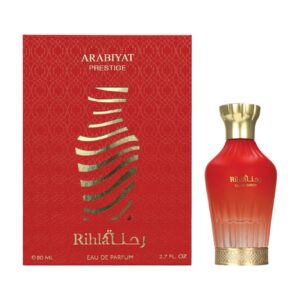
Arabiyat Prestige by Myperfumes
€25.25
Out of stock

Out of stock
€31.57

Out of stock
€20.41

Arabiyat Prestige by Myperfumes
€25.25
Reviews
There are no reviews yet.